Deposition by Written Questions (DWQ): Expert Management for Texas Litigation Teams
Managing litigation discovery means juggling multiple deadlines, witnesses across state lines, and procedures that demand precision. When depositions upon written questions enter the picture, the stakes get higher. One missed notice or improperly formatted question set can derail your timeline.
Deposition by Written Questions (DWQ) offers a cost-effective alternative to traditional depositions. But it requires careful coordination and attention to procedural rules. That is where professional management makes the difference.
Complete Legal brings years of experience to tight deadlines. We manage notices, witness verification, and responses with precision. Our experts streamline the process—so cross work and verification fit into your calendar.
We protect your time and evidence. From a single question to complex business litigation, our services keep parties informed and lawyers ready. The result: smoother hearings and stronger case preparation.
Need DWQ Support for Your Current Case?
Complete Legal manages the entire DWQ workflow from preparation through delivery. Your team gets organized output, clear tracking, and deadline-driven service.
What Is a Deposition by Written Questions?

A deposition by written questions is a discovery method under Federal Rule of Civil Procedure 31. Instead of oral questioning, parties submit written questions to a witness. The witness answers under oath before an officer authorized to administer oaths.
The process differs significantly from oral depositions. No attorney appears in person. Questions are predetermined. The witness reviews them with the officer present and provides sworn written responses.
This method works particularly well when testimony needs are straightforward. It eliminates travel costs and scheduling conflicts. Many cases use DWQ for records custodians or out-of-state witnesses where live testimony isn’t necessary.
When DWQ Makes Sense
- Authenticating business records from distant locations
- Obtaining foundation testimony from records custodians
- Deposing witnesses in remote jurisdictions
- Managing discovery costs in budget-conscious cases
- Securing testimony when scheduling proves difficult
- Establishing basic facts not requiring cross-examination
DWQ Limitations to Consider
- No opportunity for follow-up questions during testimony
- Cannot assess witness demeanor or credibility in real time
- Rigid question structure limits flexibility
- Not suitable for complex or contentious matters
- Requires careful question drafting upfront
- May need supplemental discovery later
The DWQ Process: Notice, Questions, and Service
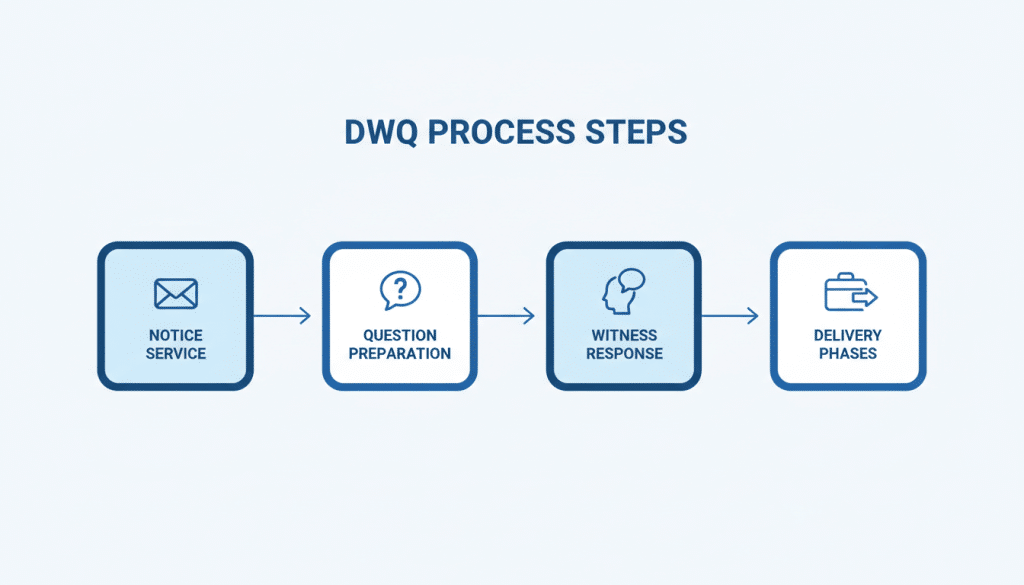
The deposition written questions process follows specific procedural steps. Each stage has timing requirements under federal and state rules. Missing a deadline or service requirement can delay your entire case.
Notice Requirements
The party taking the deposition serves notice on all other parties. The notice states the name and address of the deposition witness. It identifies the officer before whom the deposition will occur. The notice must also include the method for recording testimony.
Within 14 days after notice service, any party may serve cross questions on all other parties. Redirect questions are due 7 days after cross questions. Recross questions follow 7 days after redirect questions.
Preparing the Written Questions
Question preparation demands precision. Each question must be clear and complete. The witness cannot ask for clarification during the deposition. The officer simply reads the question and records the answer.
Questions should be drafted to establish necessary foundation. They must anticipate potential objections. Unlike oral depositions, you cannot adjust your approach based on prior answers. Everything must be planned in advance.
Many counsel work with litigation support teams to format and organize questions properly. This ensures compliance with court rules and helps avoid challenges later. Professional preparation keeps the process moving smoothly.
Service and Delivery
After all questions are served, the party taking the deposition delivers them to the officer. The officer contacts the witness to schedule the deposition. The witness appears, takes an oath, and answers each written question.
The officer prepares a transcript including all questions and answers. The transcript gets certified and delivered to the party who noticed the deposition. That party then serves copies on all other parties within the time allowed.
Service rules matter. The deposition must reach parties by the deadline. Proof of service protects your record. Professional management of this workflow eliminates service gaps.
Comparing DWQ to Traditional Oral Depositions
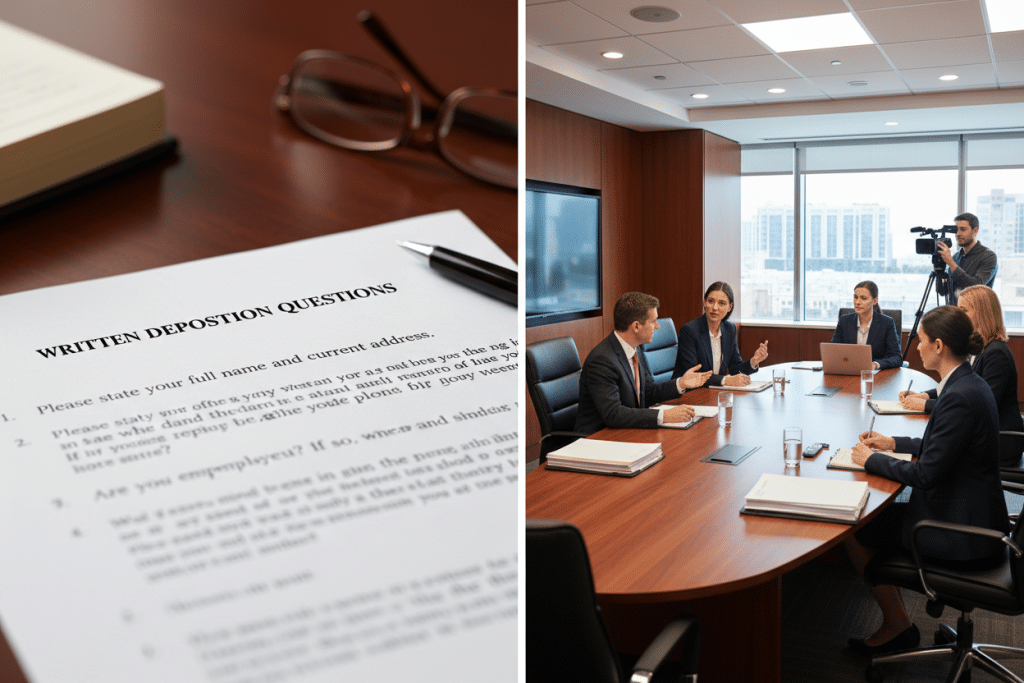
Understanding when to use depositions upon written questions versus oral depositions affects case strategy. Each method serves different discovery goals. Cost, witness location, and testimony complexity all factor into the decision.
| Factor | Written Questions | Oral Deposition |
| Cost | Lower – no travel or attorney time | Higher – includes travel and preparation |
| Flexibility | Fixed questions only | Follow-up and clarification possible |
| Witness Assessment | No demeanor observation | Full credibility evaluation |
| Geographic Reach | Ideal for distant witnesses | Requires travel or video coordination |
| Complexity | Best for simple matters | Handles complex subject matter |
| Timeline | Structured with rule-based deadlines | Flexible scheduling |
Law firms often combine both methods in complex litigation. Written questions handle routine foundation testimony. Oral depositions address disputed facts or key witnesses. The right mix depends on case needs and budget considerations.
Discovery planning at the case outset helps identify which witnesses suit DWQ. Records custodians and corporate representatives for authentication often fit this category. Save oral deposition resources for contested or critical testimony.
Federal and State Rules Governing Deposition Written Questions
Federal Rule of Civil Procedure 31 establishes the framework for depositions by written questions in federal court. Many state courts have parallel rules based on the federal model. Procedural differences exist, so counsel must check local rules.
Key Rule 31 Provisions
Rule 31 addresses notice requirements, question timing, and service procedures. The rule permits any party to take a deposition upon written questions from any person. This includes parties and non-party witnesses.
The notice must identify the witness and describe with reasonable particularity any documents the witness should produce. Notice goes to every party in the case. Service timing follows the same schedule as oral deposition notices under Rule 30.
Cross questions, redirect questions, and recross questions follow specific day intervals. These time limits keep the discovery process moving. Extensions require stipulation or court order.
Texas State Court Considerations
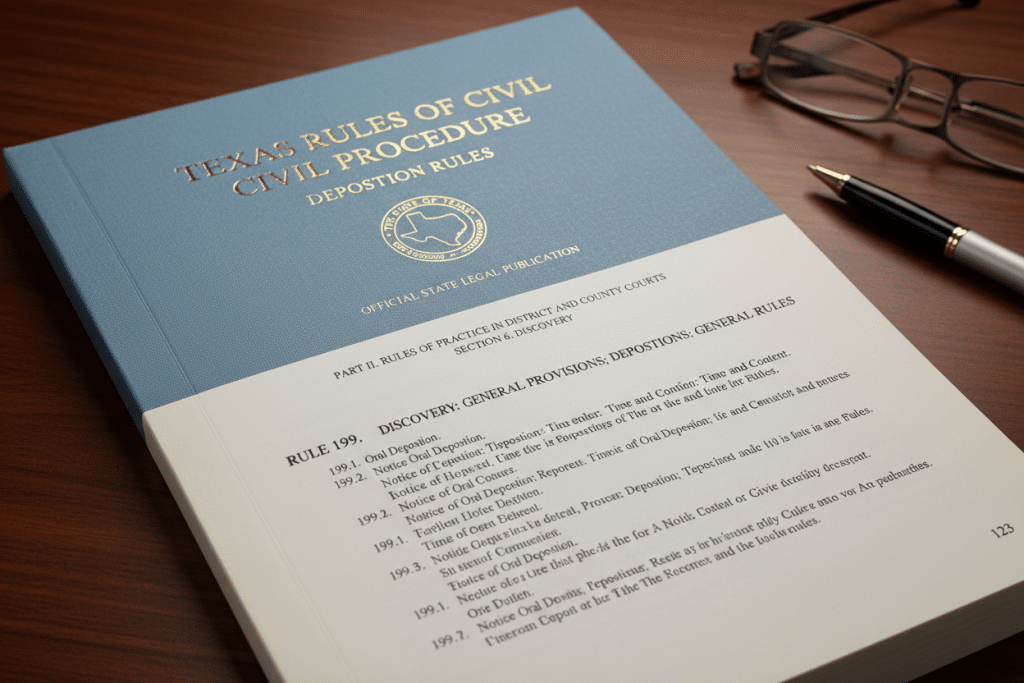
Texas Rules of Civil Procedure include provisions for written depositions. Texas law uses similar notice and timing requirements as federal rules. However, some differences apply in state district court practice.
Texas practitioners should review Rule 197 when using depositions upon written questions. Local court rules in Dallas County and surrounding jurisdictions may add specific requirements. Counsel working across multiple Texas counties benefit from professional support familiar with regional variations.
Complete Legal works with law firms throughout the Dallas–Fort Worth area and across Texas. Our team understands federal and state procedural requirements. We help ensure DWQ workflows stay compliant with applicable rules.
Professional DWQ Management: End-to-End Support
Handling depositions upon written questions involves multiple steps and strict deadlines. Professional management keeps everything organized. From question preparation through final delivery, experienced support prevents gaps and delays. Contact Us.
Preparation and Formatting
Written questions need precise formatting. Each question should be numbered consecutively. The document must include proper caption and case information. Exhibits referenced in questions require coordination.
Our preparation service includes drafting assistance, formatting review, and compliance checking. We work with your specifications to create question sets ready for service. This ensures documents meet court standards and avoid technical objections.
Question sets often go through multiple revisions. Tracking versions and maintaining clean copies matters. Professional document management prevents confusion when questions get served to opposing counsel.
Delivery and Tracking
Once questions are finalized, delivery coordination begins. The officer must receive all questions from all parties. Scheduling with the witness happens next. The deposition itself requires coordination between the officer and witness.
Tracking each stage keeps everyone informed. You know when the officer receives questions. You get updates when the deposition is scheduled. You receive notice when testimony is completed and transcription begins.
Complete Legal provides clear status updates throughout the DWQ workflow. You can check progress through secure online access. No guessing about where things stand. No chasing down information when a deadline approaches.
Streamline Your DWQ Tracking
Get real-time updates on every deposition written questions matter. Our team manages coordination so you stay focused on case strategy.
Transcript Production and Final Delivery
After the witness completes testimony, the officer prepares the transcript. This document includes all written questions and corresponding answers. The officer certifies the transcript and delivers it to the requesting party.
Transcript turnaround time affects case schedules. Professional management accelerates production. We coordinate with officers to meet your deadlines. Expedited options are available when time is critical.
Final delivery includes organized files in your preferred format. Digital copies come through secure portals. Hard copies ship with tracking. You get exactly what you need in the format that works for your team.
Common Challenges in the DWQ Process

Even straightforward DWQ matters encounter obstacles. Witness availability changes. Objections arise. Document production requests complicate the process. Anticipating challenges helps keep cases on track.
Witness Cooperation and Availability
Non-party witnesses may resist participating in depositions. They have their own schedules and priorities. Coordinating a mutually agreeable time takes persistence.
Subpoenas compel attendance when cooperation is lacking. Properly served subpoenas give witnesses notice and legal obligation to appear. Professional service ensures compliance with jurisdictional requirements.
Complete Legal handles subpoena service throughout Texas. We coordinate with local process servers and track proof of service. Your subpoena gets delivered correctly and documented thoroughly.
Objections and Disputes
Opposing counsel may object to specific questions. Objections in the DWQ context work differently than in oral depositions. The officer records objections but typically does not rule on them. The court resolves disputes if parties cannot stipulate.
Well-drafted questions minimize objections. Clear, specific inquiries focused on relevant information pass scrutiny. Overly broad or compound questions invite challenges. Careful preparation on the front end prevents problems later.
When objections do arise, the transcript reflects them. The witness may answer subject to objection or refuse to answer. The requesting party can move to compel if the objection seems improper. Having experienced support helps navigate these situations.
Document Production Coordination
Many DWQ notices include requests for document production. The witness must bring specified documents to the deposition. Coordinating what gets produced and when requires communication with the witness.
Document disputes can delay the entire deposition. The witness may claim documents are not in their possession. They may object to producing certain materials. Resolution takes time and attention.
Professional coordination helps manage document issues before the deposition date. Early communication with the witness clarifies expectations. Following up ensures documents are available when testimony occurs. This prevents continuances and keeps discovery moving forward.
Cost Factors and Budget Planning for DWQ
One major advantage of depositions by written questions is cost savings. But understanding the fee structure helps with budget planning. Several factors affect total expense.
Officer Fees and Transcript Costs
The officer authorized to administer oaths charges for their service. This fee covers coordinating with the witness, administering the oath, and supervising the deposition. Officer fees are typically lower than court reporter costs for oral depositions.
Transcript production adds to the total. The officer or a transcription service prepares the written record. Expedited turnaround increases cost. Standard delivery offers savings when timing allows.
Certified copies may be required for certain proceedings. Certification adds a small fee but provides authentication when needed. Planning which parties need certified copies versus plain copies controls costs.
Service and Coordination Expenses
Notice service to parties typically uses regular mail, which is inexpensive. Serving subpoenas on non-party witnesses requires process service, which costs more. Geographic location affects service fees—distant witnesses cost more to serve.
Coordination time also factors into overall expense. Multiple rounds of questions increase complexity. Cross questions, redirect, and recross questions each require additional service and coordination.
Working with a litigation support partner consolidates these tasks. One point of contact manages the entire workflow. This efficiency can actually reduce total costs compared to handling everything piecemeal.
Comparing Costs to Oral Depositions
Oral depositions involve attorney travel time. Court reporter fees for oral depositions exceed officer fees for written depositions. Video recording adds another expense layer. Exhibit handling increases costs in oral depositions.
A typical oral deposition can cost several thousand dollars when you include all components. DWQ often runs a fraction of that amount. For cases with multiple out-of-state witnesses, the savings add up quickly.
Budget-conscious litigation teams use DWQ strategically. Routine testimony happens through written questions. Critical witnesses get oral depositions. This balanced approach maximizes resources while maintaining thorough discovery.
Best Practices for Effective Deposition by Written Questions
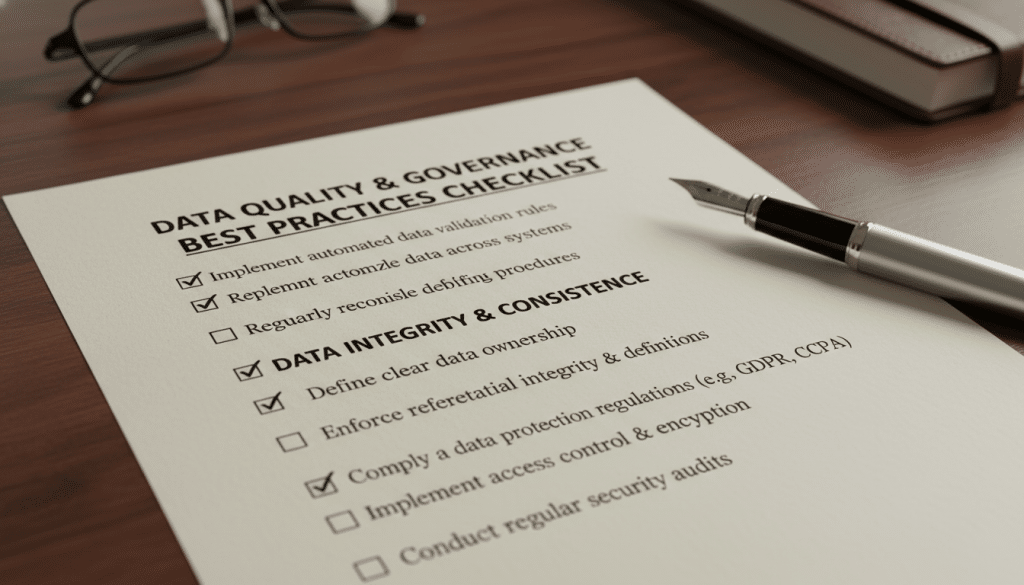
Success with depositions upon written questions requires planning and attention to detail. Following proven practices improves outcomes and reduces complications. These approaches work across various case types and jurisdictions.
Plan Questions Carefully
Start with your discovery goals. What information do you need from this witness? What foundation must be established? What documents need authentication? Clear objectives guide question drafting.
Draft questions in logical sequence. Background questions come first. Establish the witness’s knowledge and authority. Then move to specific topics systematically. End with exhibit authentication if documents are involved.
Avoid compound questions. Each question should seek one piece of information. This prevents confusion and makes answers clearer. Simple, direct questions work best in the DWQ format.
Anticipate Cross Questions
Opposing counsel will likely serve cross questions. Think about what they will ask. Consider whether your initial questions provide openings for unhelpful testimony. Craft questions to minimize that risk.
If you anticipate cross questions on certain topics, address those areas in your initial questions. This allows you to frame the testimony first. Redirect questions can clarify or limit cross question responses, but prevention is better.
Coordinate with Your Litigation Support Team
Professional support keeps the DWQ workflow organized. From initial notice drafting through final transcript delivery, experienced teams prevent gaps. They track deadlines, coordinate with officers and witnesses, and manage document flow.
Communication is key. Your litigation support partner should provide regular status updates. You should know when each stage completes. Quick responses to your questions keep the process moving.
Choose a partner with specific DWQ experience like Complete Legal. General litigation support differs from specialized deposition management. Firms that regularly handle depositions upon written questions understand the nuances and potential pitfalls.
Partner with Texas DWQ Specialists
Complete Legal brings decades of combined experience managing depositions by written questions across Texas. We handle the details so you can focus on case strategy.
Keep Detailed Records
Document every step of the DWQ process. Save copies of all notices served. Track question service dates. Record officer communications. Maintain proof of service for subpoenas.
These records protect your interests if disputes arise. They demonstrate compliance with procedural rules. Courts appreciate thorough documentation when resolving discovery conflicts.
Digital case management systems help organize DWQ documentation. Secure portals provide access to your entire team. Everyone sees the same information in real time. This prevents miscommunication and duplicated effort.
Why Dallas Litigation Teams Choose Complete Legal for DWQ Services
Complete Legal has earned recognition as a Texas Best litigation support provider. That distinction reflects our commitment to reliable execution, clear communication, and deadline-driven service. When your case depends on getting DWQ right, experience matters.
Deep Texas Experience
We work exclusively with Texas law firms, paralegals, and litigation support teams. Our knowledge of federal and state court procedures in Dallas–Fort Worth and throughout Texas gives you a local advantage. We understand regional court preferences and local practice customs.
Our team handles depositions by written questions regularly. We know the federal rules and Texas state provisions. We stay current on procedural updates. That expertise translates into smoother workflows for your cases.
Comprehensive Service Offering
DWQ management is one part of our full litigation support platform. We also provide court reporting, record retrieval, subpoena service, mobile notary, e-discovery support, and audio/video services. This comprehensive approach means one trusted partner handles multiple case needs.
Integration across services benefits your practice. The same team managing your DWQ can coordinate related subpoenas and handle document retrieval. Consistent quality and communication across all services simplify your workflow.
Technology and Secure Access
Our secure online portal gives your team 24/7 access to case information. Check DWQ status anytime. Download transcripts as soon as they are available. Review documents without waiting for email attachments or physical delivery.
Digital delivery accelerates turnaround time. Transcripts reach you faster. Your team can start working with testimony immediately. Security protocols protect confidential case information throughout the process.
Proactive Communication
We do not wait for you to ask about status. Our team provides updates at key milestones. You know when questions reach the officer. You get notice when the deposition is scheduled. You receive confirmation when the transcript is complete.
Questions and concerns get quick responses. Your team has direct access to our staff. No automated systems to navigate. Real people who know your case answer your calls and emails.
Reliability Under Deadline Pressure
Litigation timelines are unforgiving. Discovery deadlines do not move for convenience. When you need DWQ completed fast, reliability matters more than ever. We have built our reputation on delivering accurately and on time.
Expedited service is available when your case demands it. We coordinate with officers to accelerate transcription. Rush delivery gets documents to you when hours count. That dependability gives you confidence when deadlines loom.
Getting Started with Complete Legal DWQ Services

Starting a DWQ matter with Complete Legal is straightforward. Our process is designed for busy litigation teams who need efficient, reliable support without unnecessary complexity.
Initial Contact and Case Assessment
Reach out by phone or email. A brief conversation helps us understand your case needs. We discuss the witness, the information you seek, and your timeline. This assessment ensures we can meet your expectations.
Our team asks targeted questions to gather necessary details. Witness name and location. Whether a subpoena is needed. Any special requirements for question formatting or transcript delivery. This information allows us to provide accurate timelines and cost estimates.
Service Engagement and Workflow Launch
Once you engage our services, we assign a coordinator to your matter. This person manages the DWQ workflow from start to finish. They serve as your primary point of contact throughout the process.
We work with your question drafts or help prepare questions if needed. We handle notice preparation and service. We coordinate with the officer and witness. You receive regular updates as each stage completes.
Our team adapts to your communication preferences. Some clients want daily check-ins. Others prefer milestone updates only. We match our approach to your practice style.
Ongoing Support for Multiple Matters
Many firms work with us on multiple cases simultaneously. Our systems track each matter separately. You get clear reporting on every case. Nothing gets confused or overlooked.
Volume clients benefit from streamlined processes. Repeat engagement with the same coordinator builds efficiency. They learn your preferences and anticipate your needs. Service gets faster and more precise over time.
Visit or Contact Complete Legal in Dallas
Complete Legal operates from the heart of Dallas, serving litigation teams throughout Texas. Our central location provides convenient access to Dallas County courts and surrounding jurisdictions. We understand local practice and maintain strong relationships with court personnel and service providers across the region.
Our Office
Complete Legal is located at 1201 Elm Street, Suite 2560, Dallas, Texas 75270. Our downtown Dallas office is accessible from all major highways serving the Dallas–Fort Worth metroplex.
While most DWQ coordination happens remotely, our office is open for in-person consultations when needed. Secure document drop-off and pickup are available during business hours.
Our service area extends throughout Texas. We coordinate DWQ matters in Houston, Austin, San Antonio, Fort Worth, and every other Texas city. Remote coordination works seamlessly regardless of witness location.
Dependable DWQ Management When Your Case Timeline Demands It
Deposition by written questions serves a specific role in litigation discovery. When used appropriately, DWQ offers cost savings, simplified logistics, and effective testimony capture. Professional management ensures the process runs smoothly from initial notice through final transcript delivery.
Complete Legal provides end-to-end DWQ support for Texas litigation teams. Our experience with federal and state procedures, combined with proactive communication and deadline-driven execution, keeps your cases on track. We handle coordination details so you can focus on case strategy and client service.
From question preparation through delivery and tracking, our team manages every stage with precision. Secure online access gives you visibility throughout the process. Clear status updates mean no surprises. Organized deliverables arrive on schedule in formats your team can use immediately.
Whether you need DWQ services for a single witness or multiple depositions across several cases, Complete Legal brings consistent quality and reliable follow-through. Our Texas Best recognition reflects standards we uphold daily—clear coordination, dependable execution, and deliverables legal teams can trust when deadlines are tight.
Ready to Streamline Your Next DWQ Matter?
Complete Legal is ready to support your deposition written questions needs. Our Dallas team serves law firms and litigation support professionals throughout Texas with accurate, deadline-driven DWQ management.
Complete Legal
1201 Elm Street, Suite 2560
Dallas, Texas 75270
Phone: (214) 746-5400
Email: info@completelegal.net